For truck drivers, owner-operators, and fleet managers, displaying your USDOT number and, where required, your MC (Motor Carrier) number clearly on your vehicles isn’t just about compliance—it’s also a branding opportunity. Custom vehicle magnets offer a flexible, reusable, durable, and often economical way to display required information. This article explains what the legal requirements are, why magnetic signs are a good idea, what materials work best (especially thick ones like 30 mil), what sizes to use, how pricing compares (e.g. cheaper than Vistaprint), and what to consider for durability. It also includes high-authority resource links (non-competing) you can reference for regulatory compliance.
1. USDOT & MC Numbers: What They Are and When They’re Required
Before talking about magnets, it helps to understand the legal side.
- USDOT Number: Issued by the Federal Motor Carrier Safety Administration (FMCSA), this is a unique identifier assigned to carriers, both for‐hire and private, that operate commercial vehicles in interstate commerce, vehicles transporting hazardous materials, or vehicles over certain weight thresholds.
- MC Number (Operating Authority): Also known as “Motor Carrier Number,” this grants authority to transport regulated goods or passengers in interstate commerce, typically for hire. Not all carriers need an MC number but many do, depending on what they haul and how.
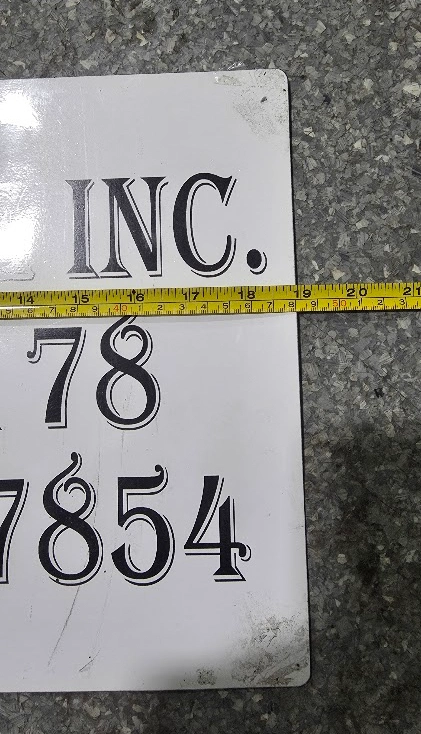
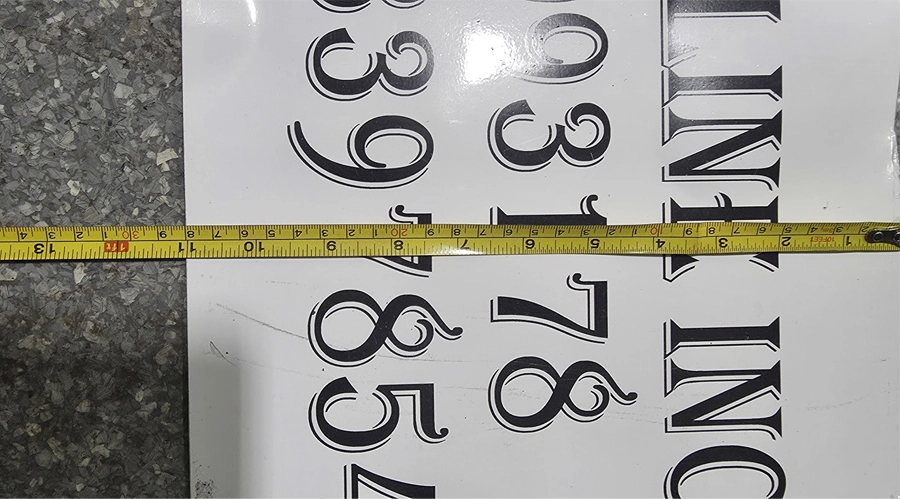
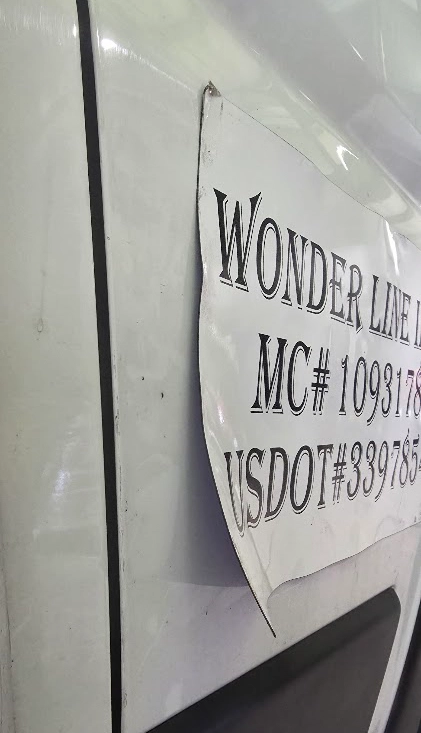
Our client who just ordered 10 car magnets 11×19 sent to us this picture – he ordered a low quality magnets from other company. 90% magnets are not full color printed (companies are printing vinyl and they stick it to the magnet – saving money). We dont do that, he tried 3 different companies and he finally found us!
When you need them:
- If your truck or combination has a Gross Vehicle Weight Rating (GVWR) or gross combination weight rating over 10,000 pounds, you generally need a USDOT number. Virginia DMV+1
- If you transport hazardous materials in amounts requiring placarding, or carry passengers beyond certain numbers for compensation, etc. FMCSA+2Virginia DMV+2
- If you’re operating as a for-hire carrier across state lines, then you likely need MC / Operating Authority in addition.
Note (recent & upcoming changes): As of late 2025, there’s a transition to eliminate MC numbers and consolidate under the USDOT number system via the FMCSA’s Unified Registration System (URS). That means more emphasis on the USDOT number going forward. (You’ll want to verify current status with FMCSA. )
So, magnets bearing your USDOT number—and MC if applicable—are legal signage if they meet certain visibility criteria and are displayed properly. But you must check your state / FMCSA rules for size, font, color, visibility. Some rules require permanent painted or decal lettering—not removable items like magnets. That might impact whether you can use magnets or not. Always check source info like FMCSA and your state DMV.
2. Why Use Magnetic Signs for Trucks?
Magnetic signs / magnets are attractive for several reasons:
- Removable & Reusable: You can stick them on steel truck doors and remove them when needed (e.g. when changing trucks). Good if you lease, rent, or swap vehicles.
- No permanent modification: Less risk, less cost, no permanent paint or decal.
- Branding / visibility: Along with required regulatory numbers, you can display your company name, logo, phone, etc.
- Cost-effective, especially if you need multiple or want to change or update designs.
But they must be high quality to survive the harsh environment: weather, road debris, sun/UV, wind, dirt, washing, etc.
3. Material & Thickness: Why 30 mil (and More) Matters
Magnets vary in thickness, material strength, finish, etc. Here’s what to look for:
- Mil: One mil = one thousandth of an inch (.001″). So 30 mil = 0.030 inches. That’s thick relative to many thinner magnets. Thicker magnets generally have stronger magnetic pull, better resistance to wind lift, less likely to flake or curl.
- Durability in weather: UV stable inks, vinyl or coated surface (to protect graphics), resistance to moisture, temperature extremes.
- Magnetic “pull” strength: How well the magnet grips steel, especially on curved or irregular surfaces or when driving at highway speeds. Too thin = risk of coming loose.
- Backing & finish: Matte or gloss vinyl layer, edges sealed, rounded corners help prevent peeling.
For trucks, 30 mil is a sweet spot: thick enough to stay on securely, but still workable, not too bulky. Some go thicker (40 mil or 60 mil) but cost and weight go up.
4. Recommended Sizes & Layouts
Depending on your truck size (cab doors, side panels, etc.), visibility requirements, and design, here are some suggested sizes:
| Size | Where It’s Good | Pros / Things to Consider |
|---|---|---|
| 11″ × 19″ | Compact doors, smaller cab trucks, when you have limited space next to windows or logos. Good for display of USDOT + MC + company name. | Needs bold, legible fonts; must meet visibility from required distance (certified via FMCSA or state rules). |
| 12″ × 24″ | Slightly larger, more “real estate” for text & graphics. Good for hubs and managers wanting readability from further back or from road. | Hefty enough to resist wind lift; ensure edges sealed to avoid mushrooms. |
| 18″ × 24″ | Larger panels, short haul trucks, or when placed on side panels or trailer doors. Great for company name, USDOT, MC, phone #. | Cost higher; need to ensure flat surfaces; consider vehicle washing & removal difficulty. |
| 24″ × 36″ | Rare on cab doors, but possible on trailers or stationary parts (like tailgates). For big brand banners. | Weight & handling harder; visibility high; must obey state rules about size of markings. |
Also useful: circle magnets for smaller signage (but less likely for DOT # display, which often has to be rectangular for legal visibility).
These sizes are examples — always check what your local / FMCSA regulation requires in terms of minimum height of letters, minimum contrast, etc.
5. Price & Comparison: Why High-Durability Magnets Can Be Cheaper Than Decals or Vistaprint
Many truckers see Vistaprint or other big printing companies as options for decals, vinyl, or even magnetic signs. But often:
- Vistaprint etc. have good reputation, many choice of finishes, but for thick, weather-proof magnets in large or custom sizes, their pricing tends to be higher (because they may use thinner magnets, charge more for high mil magnet materials, or less discount for fleet orders).
- Suppliers specializing in vehicle magnets or industrial signage often can offer 30 mil magnets at lower cost per unit, especially when ordered in quantity, because they source magnet sheeting in bulk, have more experience with coating / finishing for weather, etc.
- Durability saves money long term: even if a high-quality, thick magnet costs more upfront, if it lasts 2-3× longer than thinner or weak ones, cost per year is far lower.
To illustrate: magnet sheeting rolls of 30 mil thickness are available from industrial magnet suppliers and are rated to stay on vehicles at highway speeds (see e.g. vinyl magnetic sheeting roll specs) ‒ something that lower thickness magnets or decals may fight. binding101.com+1
Also, manufacturers of high durability magnets often have economies of scale, so for common sizes (11×19, 12×24) pricing per unit can beat what non-specialized providers like Vistaprint charge for similar visual impact, especially once you factor shipping, reorders, trim & graphics costs, etc.
6. Durability: What Makes a Good Truck Magnet Last
To ensure your magnet still looks good and stays adhered, prioritize:
- Thickness (30 mil or more): Enough magnetic pull, less bending or warping.
- Backing material & flexibility: It has to accommodate slight curves, seams of doors, rivets, etc.
- Coating / finish: UV protected, waterproof/vinyl cap, edges sealed.
- Rounded corners: Prevent peeling from corners where stress and water intrusion concentrate.
- Correct adhesion & application: Clean steel surface, no rust/dirt; applying with firm pressure; avoid putting it over hot surfaces in direct sun if possible (magnet and backing might expand/contract).
- Maintenance: Remove periodically to clean both magnet surface and truck surface; store magnets flat and dry when removed.
- Resisting heat, cold, chemicals: Road salt, diesel fumes, asphalt tar, gasoline, cleaners, etc.
7. Legal / Regulatory Issues: Can You Use Magnets For USDOT/MC Numbers?
This is critical. Whether magnets are allowed depends on:
- FMCSA regulation 49 CFR §390.21 (Marking of self-propelled commercial motor vehicles and interchanged motor vehicles) requires that name of motor carrier, USDOT number, etc. be displayed on both sides of vehicle. The regulation uses terms like “displayed” and “on both sides” but doesn’t always explicitly ban the use of removable signage. But many state DMVs or FMCSA interpretations consider “permanent, non-removable” markings or decals more acceptable than magnets which might be removed.
- Some states have rules that the marking must be visible from a certain distance, in a contrasting color, of a certain minimum letter height. A magnet must meet those visibility requirements.
- If magnets are used, they must be secure, not flappable, not obscured, etc.
- As noted, because MC numbers are being phased out (or eliminated) in favor of USDOT numbers only under URS, you’ll want to ensure your signage is up to date with current legal requirements. Fast Forward TMS
For authoritative regulatory info, good resources include:
- The FMCSA website: “Do I Need a USDOT Number?” FMCSA+1
- FMCSA “What is Operating Authority (MC number) and who needs it?” FMCSA
- State DMV or transportation department pages (e.g. Virginia DMV, Oklahoma, New York etc.) describing USDOT number rules. E.g. Virginia DMV site on USDOT numbers. Virginia DMV
These are high-authority, non-commercial sources that you can cite to back up your claims without competing with your printing business (they aren’t printing providers).
8. Optimized Keywords & Phrases to Use
Since you want this article to rank for terms like:
- “magnets for trucks with DOT number”
- “magnets for trucks with MC number”
Make sure you include those phrases in headings, meta description, early in the body, in image alt text, etc. Also include variations / related terms, like:
- truck magnets with USDOT number
- vehicle magnets DOT / MC number
- DOT number truck sign magnets thick durability
- truck magnets 11×19, 12×24, large caravan magnets
9. Sample Product Specs & Price Comparison
Here are hypothetical/spec examples to compare:
| Spec | Example Magnets You Offer | Typical Competitor (e.g. Vistaprint or general sign/print shop) |
|---|---|---|
| Size | 11×19, 12×24, 18×24, 24×36 | Similar size options, but many only carry standard poster size decals or thin vinyls. |
| Thickness | 30 mil magnetic backing, vinyl finish, rounded corners | Competitors often use thinner magnetic materials (15-20 mil) or lower grade backing; some use decal film only. |
| Durability | Rated for high-speed highway, UV stable, good water / wash resistance, lasting 3-5 years under typical conditions | Thinner magnets or vinyl decals fade sooner, peel, curl; may last only 1-2 years. |
| Price | Lower per unit for high thickness if ordering batches; for example a custom 12×24 30 mil magnet with full color print might cost (hypothetical) $20-$30 per piece for small order, less for larger | Vistaprint might charge more for a similar size once you factor in shipping, handling, material cost; or they’d offer thinner materials that degrade faster. |
You should gather real data from your own offerings vs Vistaprint at time of writing to show the savings.
10. Sample Copy / How to Describe Your Magnet Product for SEO & Sales
Here’s sample descriptive text you might use on your product page / blog to target keywords:
“Our 30-millimeter thick vehicle magnets sized 11×19 inches or 12×24 inches are perfect for trucks with USDOT number and/or MC number display. These magnets offer super-high durability—designed to withstand highway speeds, rain, road salt, and frequent washings. In addition, they cost significantly less than what you’d pay for similar decals or signs from big-name vendors like Vistaprint, without sacrificing quality.”
Also include benefits: readability, compliance, ease of reuse, low cost per year, etc.
11. SEO Title / Meta Description Suggestions
Title:
“Magnets for Trucks with DOT Number & MC Number — 30-Mil Durable Truck Magnets (11×19, 12×24, etc.)”
Meta description:
“Get high-durability 30 mil magnets for trucks with USDOT / MC numbers. Available in 11×19, 12×24 & larger. Stronger, weatherproof magnets cheaper than Vistaprint, fully visible & compliant.”
12. Conclusion: Why These Magnets Make Sense
When you combine the regulatory need to clearly display your USDOT (and MC, if required) numbers with the practical demands of life on the road, a thick, well-made vehicle magnet in the right size is a smart investment. You get:
- Compliance (if allowed by your state / FMCSA rules and if the magnet meets visibility / permanence requirements),
- Flexibility & ease (removable, reusable, transferable),
- Cost savings (especially over time and for multiple units) over thinner options or expensive decals,
- Durability (weather, speed, wash etc.) when using 30 mil or better materials.
Always check the latest FMCSA rules & state rules; keep your display clean, legible, and properly applied; and your magnet signage becomes a valuable asset, not just a regulatory burden.
13. References & High Authority Resource Pages
Here are some high Domain Authority (DA) websites / official resource pages that relate to the legal / regulatory side. These are non-commercial in the printing sense, so good to link or cite for credibility:
- FMCSA — Do I Need a USDOT Number? (official government guide) FMCSA
- FMCSA — What is Operating Authority (MC number) and who needs it? FMCSA
- Virginia DMV — United States Department of Transportation Number / carrier requirements Virginia DMV
- Oklahoma Transportation / Trucking Division — USDOT number requirements